

How to Protect Your Australian Labradoodle from California Foxtails

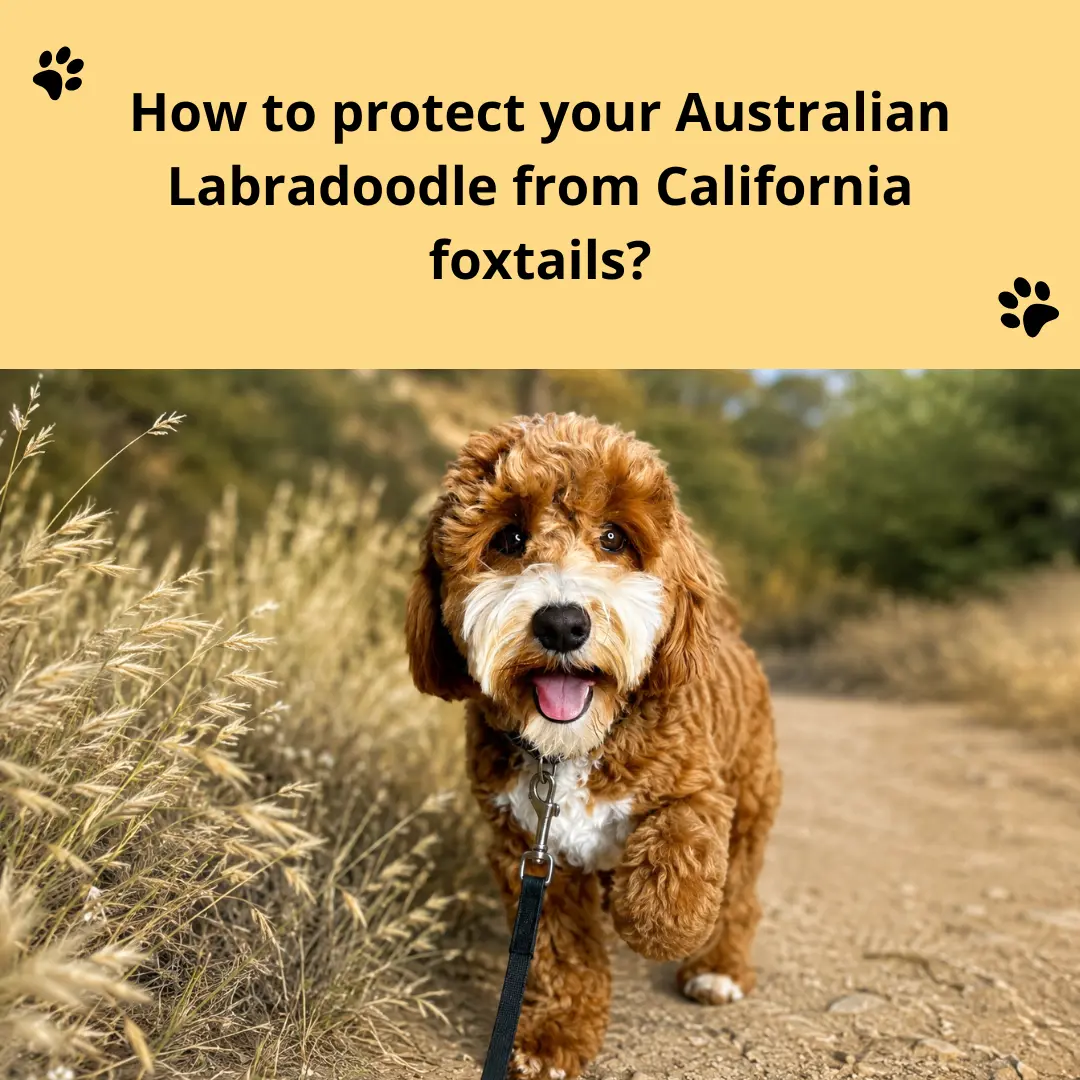
How to Protect Your Australian Labradoodle from California Foxtails
If you live in California, spending time outdoors with your dog is one of life’s greatest pleasures. From hiking scenic trails to playing in open fields or enjoying local parks, there are endless opportunities for adventure. However, many pet owners don’t realize that one of the biggest seasonal dangers is something surprisingly small—foxtails. Learning how to protect your Australian Labradoodle from California foxtails is essential for keeping your furry companion healthy, comfortable, and safe throughout the year.
Australian Labradoodles are known for their beautiful fleece coats, playful personalities, and love of exploring. Unfortunately, those same qualities can make them especially vulnerable to California foxtails, which can easily become trapped in their coat, ears, paws, nose, or eyes. In this guide, we’ll explain what foxtails are, why they are dangerous, and the best foxtail prevention tips for Australian Labradoodles.
What Are California Foxtails?
Foxtails are the seed heads of certain wild grasses commonly found throughout California. During late spring, summer, and early fall, these grasses dry out and develop sharp, barbed seeds that easily attach to animals, clothing, and shoes.
Unlike ordinary grass seeds, foxtails are designed to move in only one direction. Once attached to your dog’s body, they can continue working deeper into the skin or body tissues rather than falling off naturally. This makes California foxtailsone of the most common seasonal hazards for dogs across the state.
Australian Labradoodles often enjoy running through grassy areas, making foxtail safety for dogs an important part of responsible pet ownership.
Why Australian Labradoodles Are at Higher Risk
Although any dog can encounter foxtails, Australian Labradoodles have several characteristics that increase their risk.
Their soft, curly, or wavy fleece coat easily catches grass seeds. Hair between the toes can hide foxtails after walks, while floppy ears create the perfect place for seeds to become trapped. Curious Labradoodles also love sniffing bushes and tall grass, increasing the chance of inhaling or getting foxtails in their noses.
Regular grooming helps reduce these risks, but daily inspection is equally important during foxtail season.
Where Foxtails Commonly Hide
Knowing where to look is one of the easiest ways to protect your Australian Labradoodle from California foxtails.
Always inspect your dog after outdoor adventures, paying close attention to:
- Between the toes
- Around the paw pads
- Inside and around the ears
- Around the eyes
- Under the collar
- Under the tail
- Around the armpits and groin
- Inside the mouth
- Around the nose
Because Australian Labradoodles have dense coats, foxtails can remain hidden until they begin causing irritation.
Signs Your Dog May Have a Foxtail
Recognizing symptoms early can prevent serious complications.
Watch for signs such as:
- Excessive licking or chewing at one paw
- Persistent sneezing
- Paw swelling
- Sudden limping
- Head shaking
- Ear scratching
- Red or watery eyes
- Swelling under the skin
- Small draining wounds
- Difficulty breathing in severe cases
If you notice any of these symptoms after spending time outdoors, contact your veterinarian promptly. Foxtails rarely work their way out on their own and often require professional removal.
The Best Ways to Protect Your Australian Labradoodle from California Foxtails
Preventing exposure is always easier than treating an embedded foxtail. Here are the most effective foxtail prevention tips for Australian Labradoodles.
Avoid Tall Dry Grass
Foxtails thrive in dry, overgrown fields, vacant lots, roadsides, and hiking trails during warmer months.
Whenever possible, stick to maintained walking paths, grassy parks with regular landscaping, or beaches where foxtails are uncommon. Choosing safer walking locations is one of the simplest ways to reduce your dog’s risk.
Check Your Dog After Every Walk
One of the best habits California dog owners can develop is performing a quick post-walk inspection.
Run your hands through your Labradoodle’s coat while looking carefully between the toes, around the ears, and under the belly. Removing a foxtail before it penetrates the skin can prevent an expensive veterinary visit.
Even a two-minute inspection can make a significant difference.
Keep the Coat Properly Groomed
Routine grooming is especially important for Australian Labradoodles during foxtail season.
Keeping the hair around the paws trimmed makes it easier to spot grass seeds. Regular brushing also helps remove debris before it becomes tangled in the coat.
Professional grooming every few weeks, combined with home brushing, can greatly improve Australian Labradoodle foxtail prevention.
Maintain Your Yard
Many California homeowners unknowingly have foxtails growing in their own backyards.
Regularly mowing the lawn, removing weeds before they dry out, and checking fence lines can significantly reduce exposure. If you notice foxtail grasses developing seed heads, remove them carefully before they mature.
A well-maintained yard provides a much safer environment for your Labradoodle to play.
Use Protective Gear When Appropriate
Some owners choose lightweight dog boots when hiking in high-risk areas. Boots help protect the paws, which are one of the most common places where foxtails become lodged.
While not every dog enjoys wearing boots, they can be especially helpful on long hikes or during camping trips.
What to Do If You Find a Foxtail
If the foxtail is sitting loosely on your dog’s coat, gently remove it before it works into the skin.
However, never attempt to dig out a foxtail that has already penetrated the skin, ear canal, eye, or nose. Improper removal can leave fragments behind or push the seed deeper into the tissue.
If you suspect a foxtail has entered your dog’s body, schedule a veterinary appointment as soon as possible. Early treatment usually results in faster recovery and fewer complications.
Enjoy California Safely with Your Australian Labradoodle
Living in California offers countless opportunities to enjoy the outdoors with your Australian Labradoodle. Fortunately, foxtails don’t have to prevent your adventures.
Understanding how to protect your Australian Labradoodle from California foxtails, performing routine inspections, maintaining regular grooming, and avoiding high-risk areas can dramatically reduce the chances of injury.
With a little extra awareness during foxtail season, your Labradoodle can continue exploring California’s beautiful parks, beaches, and hiking trails safely. A few minutes of prevention after each outing can protect your dog from painful injuries and help ensure many happy adventures together for years to come.