

Daily Routine of a Dog Breeder: Behind the Scenes of Responsible Dog Breeding

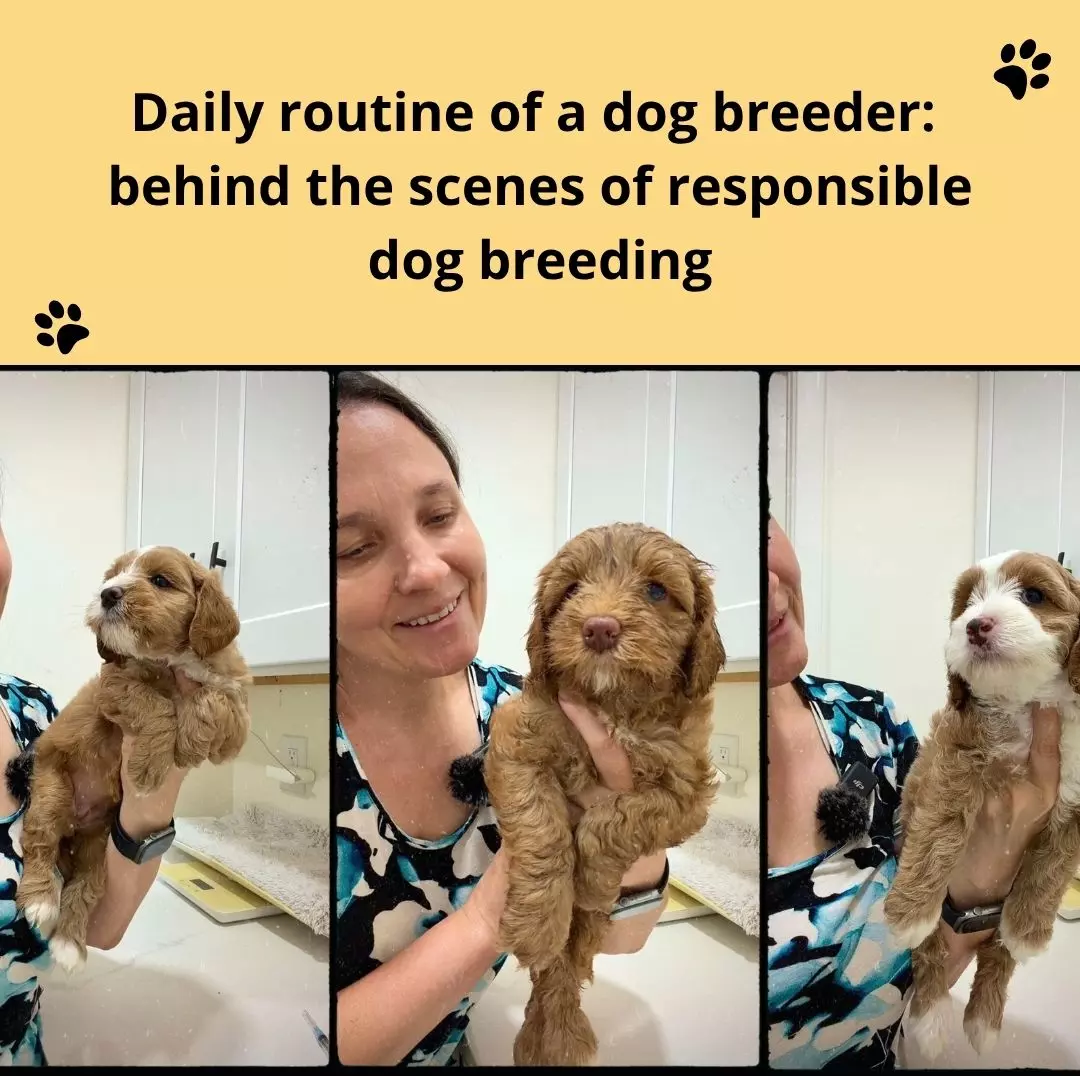
Daily Routine of a Dog Breeder: Behind the Scenes of Responsible Dog Breeding
Successful breeding is much more than welcoming adorable puppies into the world. A daily routine of a breederrequires dedication, organization, patience, and genuine love for animals. Every day brings new responsibilities, from monitoring the health of adult dogs to ensuring that growing puppies receive the proper care and socialization they need.
Whether you’re interested in becoming a breeder or simply curious about what happens behind the scenes, understanding a dog breeder daily routine offers valuable insight into the commitment required to raise healthy, well-adjusted dogs.
Starting the Morning with Health Checks
The day for most breeders begins early. One of the first daily tasks of a breeder is checking every dog to ensure they are healthy, active, and comfortable. This includes observing their behavior, checking for signs of illness, inspecting their eyes, ears, coat, and paws, and making sure they are eating and drinking normally.
For breeders with nursing mothers or newborn litters, morning checks become even more important. Puppies are weighed daily during their first weeks to confirm they are gaining weight steadily, while the mother is monitored for proper nutrition, hydration, and recovery after giving birth.
A consistent breeder care routine allows potential health concerns to be detected early, reducing the risk of serious problems later.
Feeding Dogs According to Their Needs
Nutrition plays a central role in responsible dog breeding. Different dogs require different feeding schedules depending on their age, size, activity level, pregnancy status, or nursing requirements.
Adult dogs usually receive balanced meals twice a day, while pregnant and lactating females often need additional calories and nutrients. Puppies follow a carefully planned puppy care routine, gradually transitioning from nursing to solid food at the appropriate age.
Breeders carefully measure food portions, provide fresh water throughout the day, and monitor each dog’s appetite. Any sudden changes in eating habits can indicate health issues that require attention.
Cleaning and Maintaining a Healthy Environment
Cleanliness is essential for preventing disease and maintaining healthy living conditions. Every daily routine of a breeder includes cleaning kennels, sleeping areas, feeding bowls, toys, exercise yards, and grooming equipment.
Puppies have developing immune systems, making sanitation especially important during their first weeks of life. Bedding is changed frequently, waste is removed promptly, and all surfaces are disinfected using pet-safe cleaning products.
Maintaining a hygienic environment not only protects the dogs but also creates a more comfortable space where they can thrive.
Exercise and Mental Stimulation
Physical exercise is a key component of a healthy dog breeder daily routine. Adult dogs need regular walks, outdoor playtime, and opportunities to run safely in secure areas.
Mental stimulation is equally important. Many breeders incorporate puzzle toys, obedience exercises, scent games, and interactive play sessions to keep their dogs mentally engaged.
Regular activity helps maintain healthy body weight, reduces stress, prevents boredom, and encourages balanced behavior—qualities that responsible breeders strive to preserve in every breeding dog.
Socializing Puppies Every Day
One of the most rewarding aspects of responsible dog breeding is early puppy socialization. During the critical developmental period, puppies are introduced to a variety of experiences that help them become confident family companions.
A structured puppy care routine includes gentle handling, exposure to different sounds, household environments, people of different ages, and supervised interactions with other healthy dogs.
Responsible breeders gradually introduce puppies to grooming tools, car rides, new surfaces, and everyday household noises such as vacuum cleaners or kitchen appliances. These positive experiences reduce fear and improve adaptability later in life.
Grooming and Health Maintenance
Depending on the breed, grooming may be part of the breeder’s everyday schedule. Brushing coats, trimming nails, cleaning ears, and checking teeth all contribute to overall health.
Long-haired breeds require more frequent brushing to prevent tangles and matting, while all dogs benefit from regular grooming sessions that strengthen trust between the breeder and the animals.
Health maintenance also includes administering medications when necessary, following vaccination schedules, monitoring parasite prevention, and keeping accurate health records.
An organized breeder care routine ensures every dog receives individualized attention throughout the day.
Administrative Responsibilities
Many people overlook the paperwork involved in responsible dog breeding, but administrative work is an important part of the profession.
Breeders maintain detailed health records, vaccination schedules, breeding histories, pedigree documentation, veterinary reports, and registration paperwork. They also communicate with veterinarians, prospective puppy owners, and breed organizations.
Answering emails, updating waiting lists, scheduling veterinary appointments, and educating future owners often become daily responsibilities alongside caring for the dogs themselves.
Supporting Expecting Mothers and Newborn Puppies
Breeders with pregnant females follow a more intensive daily routine of a breeder. Expecting mothers are monitored closely for behavioral changes, appetite, body temperature, and signs that labor is approaching.
After puppies are born, the breeder may spend several hours each day observing nursing, ensuring every puppy feeds properly, maintaining warm temperatures, and assisting if complications arise.
During the first few weeks, newborn care requires constant attention, including regular weighing, health checks, and close monitoring of developmental milestones.
This level of commitment highlights why responsible dog breeding demands both knowledge and patience.
Preparing Puppies for Their Forever Homes
As puppies grow, breeders gradually prepare them for life with their future families. This includes basic training, crate introduction, gentle grooming, positive human interaction, and continued socialization.
Many breeders also perform temperament evaluations to help match each puppy with the most suitable family based on lifestyle and personality.
Before puppies leave, they receive veterinary examinations, age-appropriate vaccinations, microchips where applicable, and comprehensive health documentation.
Educating new owners is another important daily task of a breeder, ensuring every puppy has the best possible start in its new home.
Why Consistency Matters
Consistency is one of the defining characteristics of an effective dog breeder daily routine. Dogs thrive on predictable schedules that provide regular feeding, exercise, rest, grooming, and positive interaction.
Following a structured breeder care routine helps reduce stress, supports healthy development, and allows breeders to identify subtle behavioral or health changes before they become serious concerns.
While every day presents unique challenges, maintaining consistent standards ultimately leads to healthier dogs, happier puppies, and greater confidence for future owners.
Final Thoughts
A professional daily routine of a breeder involves far more than feeding dogs or playing with puppies. It combines health monitoring, cleaning, exercise, socialization, grooming, record-keeping, and ongoing education to provide the highest standard of care.
Every aspect of a dog breeder daily routine contributes to raising physically healthy, emotionally balanced puppies that are well-prepared for life with their new families. Through dedication, consistency, and a commitment to responsible dog breeding, breeders help shape the future of every puppy they raise while supporting the long-term health and well-being of their chosen breed.