

Psychology of Australian Labradoodles: Why They Are Considered Emotionally Perceptive Dogs

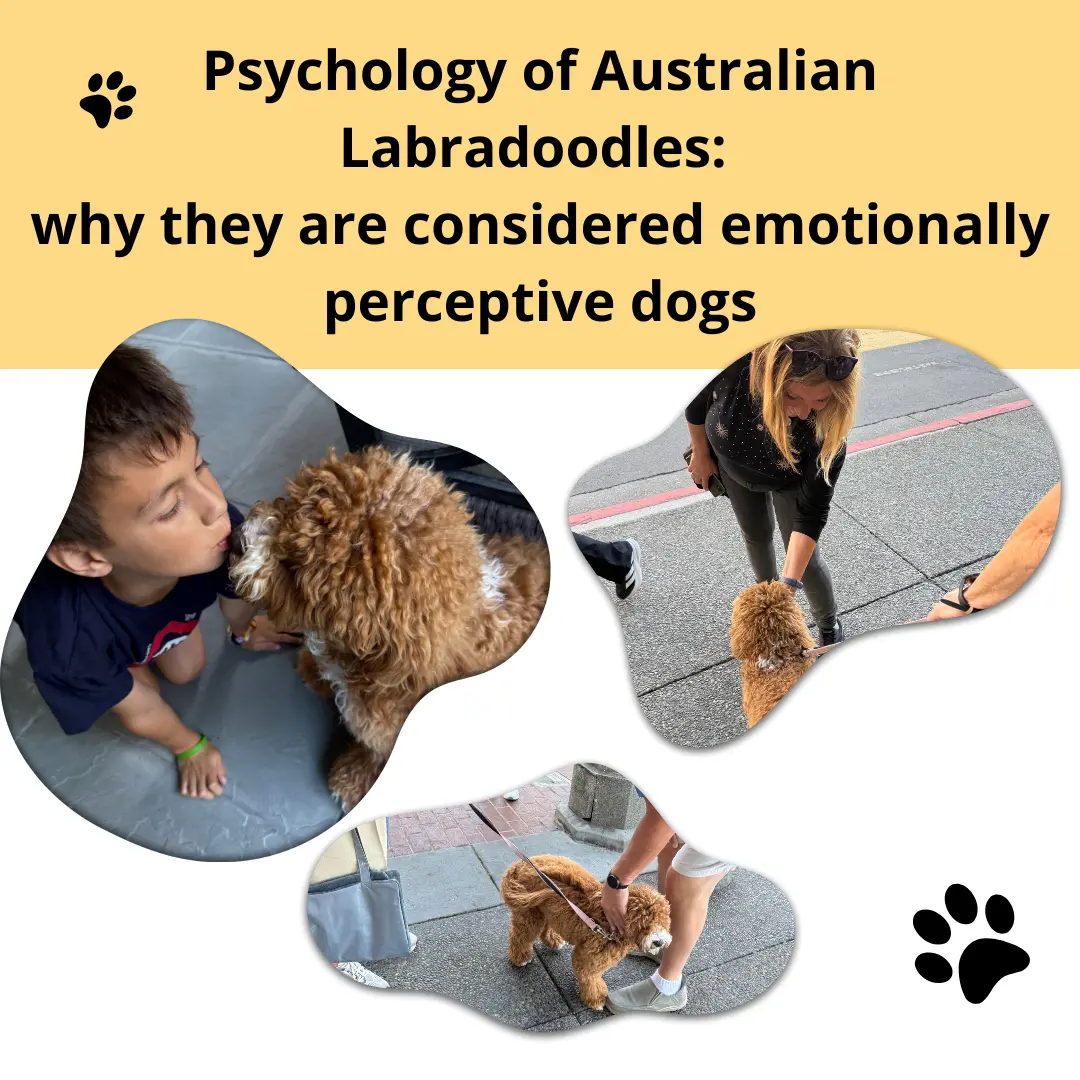
When it comes to choosing a family dog, understanding the Australian Labradoodle temperament can make all the difference. These dogs are often celebrated as emotionally intelligent dogs, capable of reading human emotions in ways few breeds can. But what makes Australian Labradoodles so attuned to their owners’ feelings, and how does this influence their behavior at home and in social settings? In this article, we explore the fascinating psychology of Australian Labradoodles, their unique behavior traits, and why they are considered experts at reading dog emotions.
Understanding Australian Labradoodles: A Blend of Intelligence and Empathy
To understand why Australian Labradoodles are often described as emotionally perceptive dogs, it’s important to look at their breeding background. Developed in Australia in the late 20th century, the breed was carefully designed to combine the intelligence and trainability of the Poodle with the gentle nature of the Labrador Retriever. This combination resulted in dogs that are not only smart but also socially aware, making understanding Australian Labradoodles crucial for any prospective owner.
Australian Labradoodles possess an exceptional capacity for empathy. They quickly pick up on changes in their owner’s tone of voice, body language, and emotional state. This sensitivity is one reason they are often used in therapy settings, assisting individuals with anxiety, PTSD, or emotional distress. Their natural inclination to respond to emotional cues sets them apart from many other breeds, reinforcing their reputation as emotionally intelligent dogs.
Key Behavioral Traits of Australian Labradoodles
When examining Labradoodle behavior traits, several characteristics stand out:
- Empathy and Emotional Responsiveness
Australian Labradoodles are renowned for their ability to sense when someone is sad, anxious, or stressed. Owners often report their dogs resting their head on their lap or nudging them gently during moments of distress. This empathetic behavior is part of what makes Australian Labradoodles uniquely emotionally perceptive dogs. - High Social Intelligence
Social intelligence is a key aspect of the breed’s temperament. Australian Labradoodles tend to thrive in environments where they can interact with people and other dogs. They quickly learn social cues, making them excellent companions in multi-pet households or therapy roles. - Adaptability and Learning Ability
Another aspect of Labradoodle behavior traits is their remarkable adaptability. They are quick learners, capable of understanding commands, routines, and even subtle emotional shifts in their environment. This adaptability contributes to their emotional intelligence, as they adjust their behavior to meet the needs of their human companions. - Affectionate Nature
Unlike some breeds that are independent or aloof, Australian Labradoodles have a strong desire to form deep bonds with their families. This affectionate nature enhances their ability to be emotionally intelligent dogs, as they are motivated to provide comfort and companionship to those around them.
How Australian Labradoodles Read Human Emotions
The ability to read human emotions is not merely anecdotal. Scientific studies have shown that dogs, in general, can interpret facial expressions, tone of voice, and body posture. Australian Labradoodles, however, seem to excel in this domain. Their high levels of empathy and intelligence allow them to respond appropriately to subtle cues, such as a sigh of frustration or a smile of joy.
For example, an Australian Labradoodle may bring a toy to a child who seems lonely, or they may sit quietly beside an adult who appears upset. This type of behavior highlights why understanding Australian Labradoodles is essential for owners seeking a deeply connected and emotionally responsive companion.
Training and Nurturing Emotional Intelligence
While Australian Labradoodles are naturally empathetic, their emotional intelligence can be nurtured through proper training and socialization. Positive reinforcement techniques, consistent routines, and exposure to a variety of social situations help them refine their ability to read and respond to human emotions. Owners who invest time in understanding Australian Labradoodles often find that their dogs become even more attuned and responsive, deepening the human-animal bond.
Additionally, mental stimulation plays a vital role in maintaining their cognitive and emotional health. Puzzle toys, obedience training, and interactive playtime not only keep the dog engaged but also enhance their capacity for empathy and social awareness.
Common Misconceptions About Australian Labradoodle Temperament
Despite their reputation, some people mistakenly assume that all Australian Labradoodles are naturally calm or universally good with everyone. While they are generally friendly and emotionally perceptive dogs, individual temperament varies based on genetics, upbringing, and socialization. Prospective owners should spend time learning about Labradoodle behavior traits and work closely with reputable breeders to ensure they select a dog whose personality aligns with their lifestyle.
Conclusion: Why Australian Labradoodles Stand Out
In the world of dog breeds, Australian Labradoodles occupy a unique niche as emotionally intelligent dogs. Their blend of empathy, social intelligence, and affectionate nature makes them exceptional companions for families, therapy work, and individuals seeking a highly attuned pet. By understanding Australian Labradoodles and their distinct behavior traits, owners can foster a deep, rewarding bond that highlights the extraordinary capacity of dogs to connect emotionally with humans.
For anyone considering bringing an Australian Labradoodle into their home, the key takeaway is clear: these dogs are more than just smart or playful—they are true emotional partners, capable of understanding and responding to human feelings in ways few other breeds can. Appreciating and nurturing this ability ensures a harmonious and fulfilling relationship between dog and owner.