

The Hidden Genetics of Australian Labradoodles: How Breeders Predict Coat, Temperament, and Health

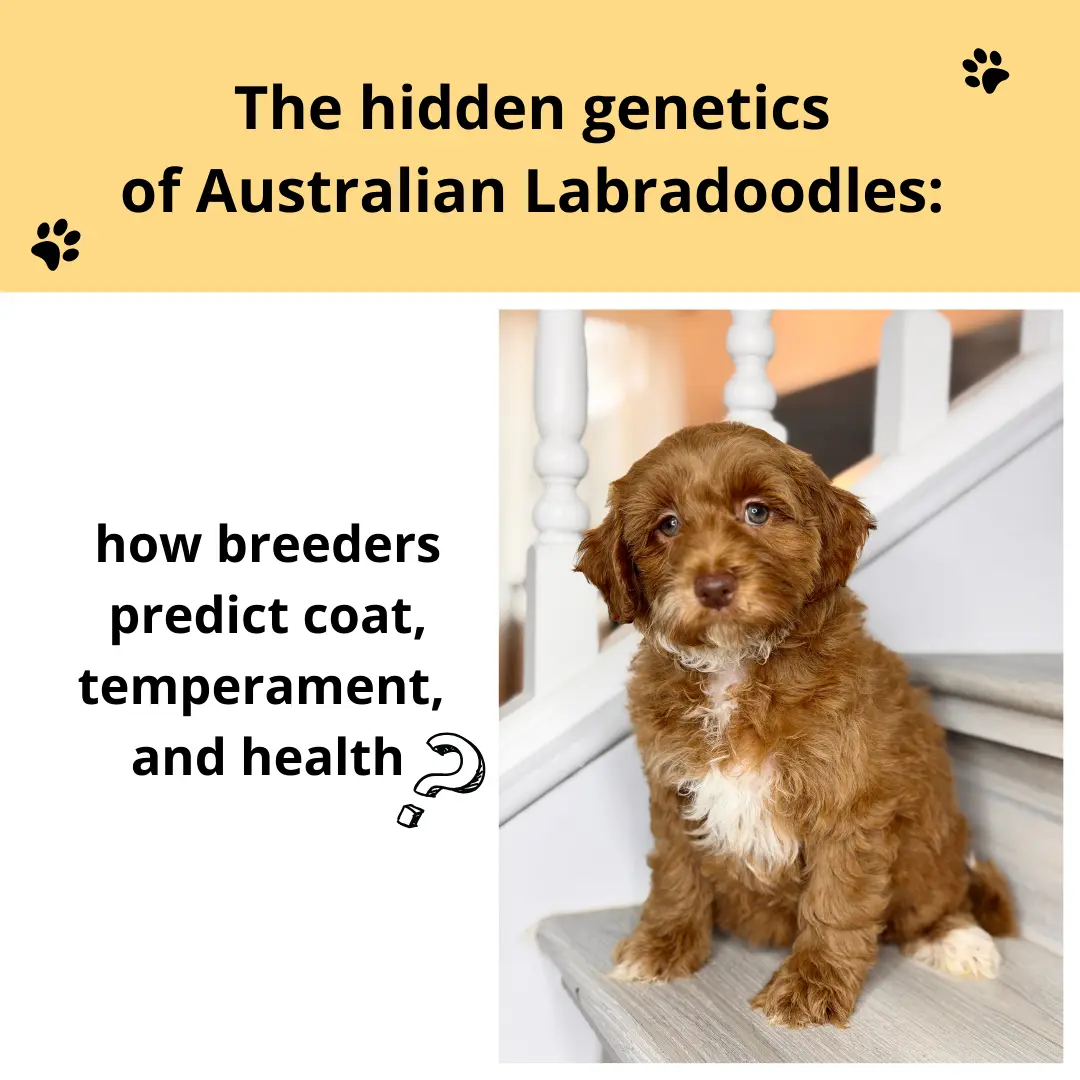
The genetics of Australian Labradoodles play a crucial role in determining coat type, temperament, and overall health. Responsible breeders rely on careful genetic planning, pedigree analysis, and health testing to produce puppies with consistent and predictable traits. Understanding how Australian Labradoodle genetics work helps explain why many dogs have allergy-friendly coats, gentle temperaments, and excellent trainability. For ethical breeders, evaluating these traits is not guesswork — it is a science that combines experience with modern genetic knowledge.
In this article, we explore how breeders use genetic testing, lineage tracking, and selective breeding to estimate coat characteristics, behavioral tendencies, and long-term health in Australian Labradoodles.
Understanding the Genetic Foundation of the Australian Labradoodle
The Australian Labradoodle is not simply a cross between a Labrador Retriever and a Poodle. Instead, the breed was developed through a carefully structured breeding program that incorporated several additional breeds over multiple generations.
Early breeding programs introduced dogs such as the Cocker Spaniel and occasionally breeds like the Irish Water Spaniel to refine temperament, coat texture, and overall consistency.
This multi-generational approach allowed breeders to stabilize desirable traits such as:
- Consistent coat texture
- Friendly and social temperament
- High intelligence and trainability
- Low-shedding coats
Because of this complex genetic background, understanding Australian Labradoodle breeding genetics is essential for anticipating how puppies may develop. Breeders study pedigrees across several generations to evaluate which traits are most likely to appear in a litter.
How Breeders Predict Australian Labradoodle Coat Types
One of the most visible traits influenced by genetics is the coat. Many families choose this breed specifically because of its soft, low-shedding coat, which may be more compatible with allergy-sensitive households.
The three main Australian Labradoodle coat types include:
- Fleece coat – soft, wavy, and low shedding
- Wool coat – tighter curls similar to a Poodle
- Hair coat – straighter and more similar to a Labrador (generally less desired in breeding programs)
Estimating coat type involves understanding genes associated with curl, shedding, and hair structure. Responsible breeders analyze the genetic profiles of both parents to determine the likelihood of producing fleece or wool coats.
Genetic testing can identify markers related to:
- Curl pattern
- Shedding level
- Coat density
Because of this, experienced breeders can often estimate coat outcomes with impressive accuracy. When two dogs with compatible genetic markers are paired, the chances of producing puppies with consistent Australian Labradoodle coat characteristics increase significantly.
The Genetics Behind Australian Labradoodle Temperament
Temperament is another trait strongly influenced by genetics. One reason the Australian Labradoodle has become popular worldwide is its balanced personality—friendly, gentle, and highly social.
Breeders pay close attention to temperament genetics in Australian Labradoodles because these dogs are often chosen for therapy work, assistance roles, or family companionship. A stable temperament is essential in these environments.
To evaluate temperament potential, breeders consider several factors:
- Behavioral traits of both parent dogs
- Temperament patterns in previous litters
- Long-term characteristics within the bloodline
Dogs selected for breeding typically display traits such as:
- Calm confidence
- Strong social bonding with humans
- Low aggression
- High intelligence and trainability
Although behavior is shaped by both genetics and environment, careful selection of breeding dogs plays a major role in producing the reliable Australian Labradoodle temperament that many families appreciate.
Genetic Health Testing in Australian Labradoodle Breeding
Predicting health outcomes is one of the most important aspects of responsible breeding. Modern genetic testing for Australian Labradoodles allows breeders to screen for inherited conditions before pairing two dogs.
Common health tests may include screening for:
- Hip and elbow dysplasia
- Progressive retinal atrophy (PRA)
- Degenerative myelopathy
- Exercise-induced collapse
DNA testing helps determine whether a dog is:
- Clear of a genetic condition
- A carrier of a recessive gene
- Affected by the condition
Ethical breeders avoid pairing two carriers of the same genetic disease, which greatly reduces the risk of affected puppies. This careful planning helps maintain healthier bloodlines and supports the long-term wellbeing of the breed.
In addition to DNA screening, many breeding programs also perform:
- Orthopedic evaluations
- Eye examinations
- Heart health assessments
Together, these tests provide a clearer picture of Australian Labradoodle genetic health.
Why Pedigree Analysis Matters in Predicting Traits
While modern DNA testing is extremely valuable, experienced breeders also rely on detailed pedigree analysis. Studying multiple generations of dogs can reveal patterns that may not be obvious from individual tests alone.
Pedigrees help breeders track:
- Coat consistency across generations
- Temperament stability within bloodlines
- Recurring health concerns
By combining pedigree knowledge with modern genetic screening, breeders can make more informed decisions when planning a litter. This approach increases the likelihood of producing puppies with predictable coat type, temperament, and health characteristics.
The Role of Responsible Breeding Practices
Ethical breeding involves far more than simply pairing two dogs. Responsible programs focus on preserving the long-term genetic stability of the breed.
Strong Australian Labradoodle breeding practices often include:
- Careful selection of breeding dogs
- Comprehensive genetic testing
- Temperament evaluation
- Multi-generational pedigree research
Breeders also work to maintain genetic diversity while preserving desirable traits. This balance helps reduce inherited health problems and supports the continued development of healthy, well-adjusted dogs.
When these practices are followed consistently, breeders can evaluate and estimate many important traits with reasonable confidence.
Conclusion
The science behind Australian Labradoodle genetics shows how thoughtful breeding can produce dogs with predictable coat types, balanced temperaments, and improved health outcomes. Through genetic testing, pedigree research, and responsible breeding strategies, experienced breeders are able to estimate how puppies will develop long before they are born.
Understanding these genetic principles highlights the importance of ethical breeding programs. When breeders prioritize health, temperament, and coat consistency, they help ensure that Australian Labradoodles continue to thrive as loving companions, therapy dogs, and intelligent family pets.
Ultimately, the hidden genetics of the Australian Labradoodle demonstrate that producing exceptional dogs is not a matter of chance — it is the result of careful planning, scientific knowledge, and a commitment to responsible breeding.