

What Dogs Can and Can’t Eat: Complete Guide to Human Foods for Dogs

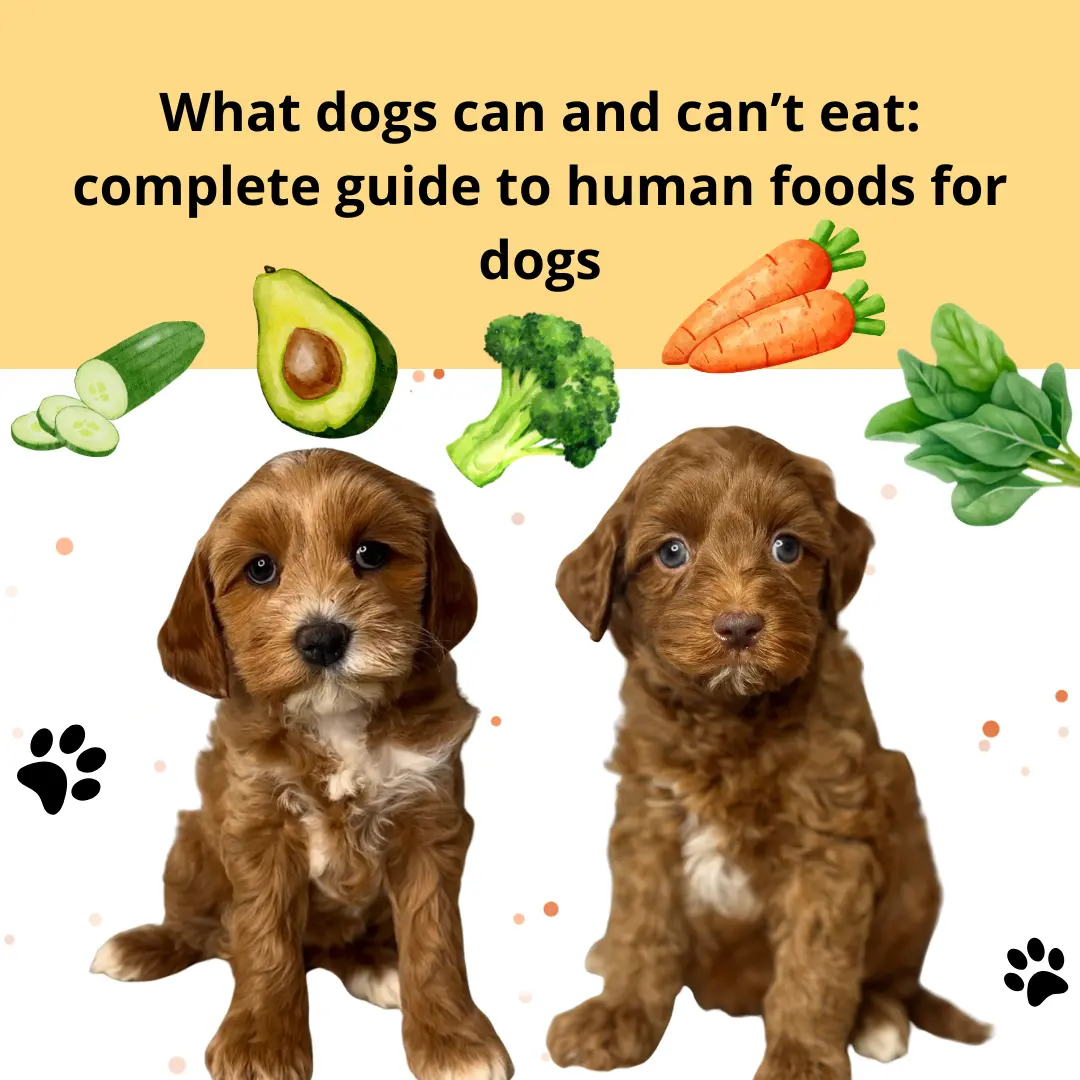
If you’ve ever sat down for a meal and suddenly felt a pair of hopeful puppy eyes staring at you, you’re not alone. Many dog owners wonder what dogs can and can’t eat from the human table. While sharing little snacks feels like a way to show love, not all human foods for dogs are safe — and some are downright dangerous. This friendly guide will help you understand which foods dogs can eat, which should only be given in moderation, and which toxic foods for dogsmust always stay off their menu.
✅ Safe Human Foods Dogs Can Eat
Let’s start with the happy news: there are plenty of human foods for dogs that are nutritious, tasty, and safe. These options can be a healthy addition to your dog’s regular diet when served correctly.
1. Lean Meats
Chicken, turkey, and lean beef are among the best foods dogs can eat, as they provide protein for muscle health. Make sure the meat is cooked, unseasoned, and free from bones. Avoid fried or spicy versions.
Tip: Boiled chicken is a great stomach-friendly food for sick dogs.
2. Vegetables
Many veggies are excellent human foods for dogs because they are low in calories and full of vitamins.
Best options include:
- Carrots (great for teeth and low in calories)
- Green beans
- Cucumbers
- Broccoli (in small amounts)
Introduce veggies gradually to avoid gas or tummy upset.
3. Fruits
Certain fruits are among the healthiest foods dogs can eat, thanks to antioxidants and natural fiber.
Safe fruits include:
- Apples (no seeds)
- Blueberries
- Bananas (in moderation—high in sugar)
- Watermelon (seedless only!)
Keep fruit portions small due to natural sugars.
4. Rice and Pasta
Plain cooked white rice or pasta can be safe for dogs, especially when dealing with an upset stomach. Just remember: no salt, sauces, or butter.
5. Eggs
Cooked eggs are protein-rich and safe for most dogs. Scrambled or hard-boiled works great. Skip raw eggs to avoid bacteria risks.
6. Peanut Butter (Without Xylitol)
Dogs love peanut butter, and it’s one of the most popular human foods for dogs. Choose natural peanut butter with no added sugar or salt — and absolutely no xylitol, a toxic sweetener.
⚠️ Human Foods Dogs Can Eat — But Only in Moderation
Some foods fall into the “sometimes treat” category. Not toxic, but not ideal for daily feeding either.
1. Cheese
Most dogs can enjoy a small cheese cube now and then, but dairy can cause digestive problems in sensitive pups. Start with small amounts and watch for reactions.
2. Popcorn (Plain)
Air-popped, unsalted, unbuttered popcorn can be a fun crunchy treat. Remove unpopped kernels to avoid choking.
3. Bread
Plain, unsweetened bread isn’t harmful, but provides little nutritional value. Think of it as a “rare treat only.”
4. Potatoes
Cooked potatoes are fine occasionally — but never feed raw potatoes, as they contain toxic compounds.
❌ Toxic Foods for Dogs — Never Share These!
The most important part of knowing what dogs can and can’t eat is understanding which foods are strictly off-limits. Some toxic foods for dogs can cause severe health issues even in small quantities.
1. Chocolate
Chocolate is one of the most dangerous toxic foods for dogs. It contains theobromine, which dogs can’t process, and can lead to vomiting, seizures, or even death. Dark chocolate is especially risky.
2. Grapes and Raisins
Even a single grape or raisin can trigger kidney failure in dogs. No amount is safe — avoid completely.
3. Onions and Garlic
Whether raw, cooked, powdered, or part of a dish, onions and garlic are highly toxic. They can damage red blood cells, leading to anemia.
4. Alcohol and Caffeine
No sips allowed! Both substances overstimulate a dog’s nervous system and can cause dangerous reactions.
5. Xylitol
This artificial sweetener is one of the deadliest toxic foods for dogs. It appears in sugar-free gum, peanut butter, candy, baked goods, and even some toothpaste. Always read labels.
6. Avocado
Avocado contains persin, which can be harmful to dogs, especially in large quantities. It’s best to avoid it altogether.
7. Macadamia Nuts
Even a few nuts can cause vomiting, weakness, tremors, and hyperthermia. Keep these locked away.
🧂 Why Seasonings and Table Scraps Are a Bad Idea
Even if a food itself is one of the foods dogs can eat, seasonings often turn it into something unhealthy. Salt, garlic powder, butter, oils, and sauces may upset your dog’s stomach or expose them to hidden toxins. Table scraps also encourage begging habits and weight gain.
🍽 How to Safely Introduce New Human Foods to Dogs
When sharing human foods for dogs, follow these simple rules:
✅ Introduce one new food at a time
✅ Start with a tiny portion and observe
✅ Watch for signs of allergies or digestive issues
✅ Consider your dog’s age, size, and existing health conditions
If your dog experiences vomiting, diarrhea, itching, or unusual behavior after trying a new food — stop immediately and consult a vet.
🐾 Final Thoughts
Sharing food with your furry friend feels like bonding, but knowing what dogs can and can’t eat helps keep them safe and healthy. The good news is there are plenty of foods dogs can eat, and offering them occasionally can be a fun way to provide variety — just be sure to steer clear of toxic foods for dogs.
When in doubt, it’s always safer to stick to plain, natural foods or check with your vet before offering anything unusual.