
Why Some Mini Labradoodles Look More Like Toy Poodles

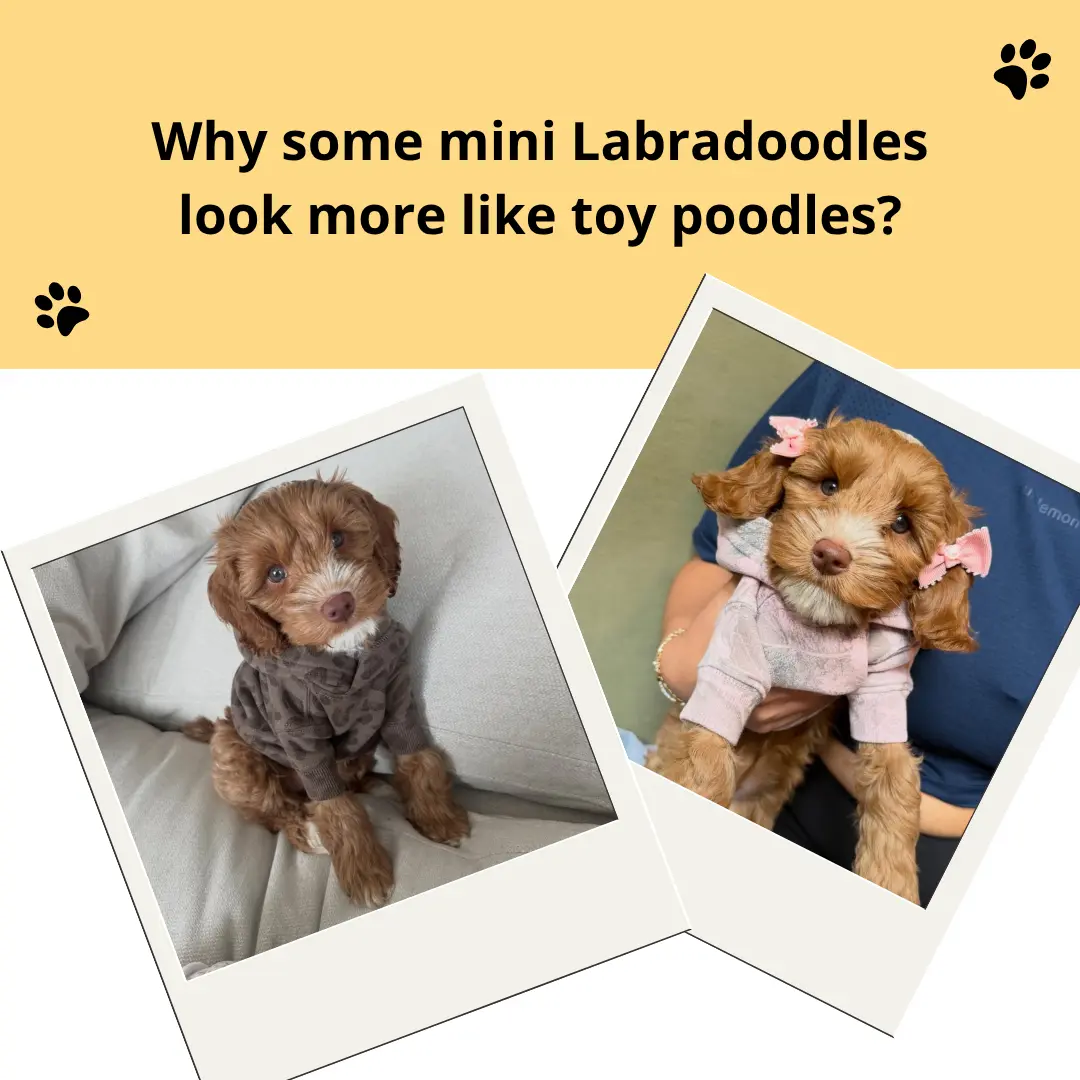
Why Some Mini Labradoodles Look More Like Toy Poodles
If you’ve ever met two Mini Labradoodles that looked completely different, you’re not alone. Some have the classic teddy bear appearance that many families expect, while others closely resemble a Toy Poodle with a slimmer face, tighter curls, and a more delicate build. This often leads prospective owners to ask why some Mini Labradoodles inherit so many Poodle-like features.
The answer lies in genetics, breeding generations, and the influence of the Poodle parent. Understanding these factors can help you choose a puppy that matches your expectations for appearance, coat type, size, and personality. Whether you’re researching a Mini Labradoodle puppy, comparing the breed to a Toy Poodle, or simply curious about how genetics work, learning why these differences occur is an important part of responsible pet ownership.
The Genetics Behind a Mini Labradoodle
A Mini Labradoodle is typically a cross between a Labrador Retriever and a Miniature Poodle. In some breeding programs, Toy Poodle genetics may also be introduced to help achieve a smaller adult size or refine certain physical traits. While every puppy receives half of its DNA from each parent, the way those genes are expressed varies from one puppy to another. This natural genetic variation explains why Mini Labradoodles can differ in their coat, facial features, body structure, and overall appearance.
Some puppies inherit more Labrador traits, while others display more characteristics from the Poodle side. This natural genetic variation explains why two Mini Labradoodles from the same litter can have noticeably different coats, body shapes, facial features, and even personalities.
When a puppy inherits stronger Poodle genetics, it may naturally look more like a Toy Poodle than a traditional Labradoodle.
The Influence of Toy Poodle Genetics
Most Mini Labradoodles are bred using Miniature Poodles, which are the preferred choice for producing a predictable medium-small size. However, some breeding programs may introduce Toy Poodle genetics to create smaller dogs or enhance specific physical characteristics. When Toy Poodle ancestry is part of a Mini Labradoodle’s lineage, it can contribute to a finer bone structure, tighter curls, and a more delicate overall appearance.
Mini Labradoodles with stronger Toy Poodle influence may have:
- A finer bone structure
- A narrower muzzle
- Tighter curly coats
- Longer legs
- Smaller paws
- A lighter overall frame
These features can create a more refined look that resembles a Toy Poodle while still preserving the friendly, intelligent, and affectionate temperament that makes the Mini Labradoodle such a popular family companion.
Coat Type Plays a Major Role
One of the biggest reasons some Mini Labradoodles look like Toy Poodles is their coat.
Labradoodles can inherit several different coat types, including:
- Loose fleece
- Wavy fleece
- Curly fleece
- Wool coat
Puppies with dense, tightly curled coats often resemble Toy Poodles because their fur grows in similar patterns. These coats are also among the most popular because they are generally considered low shedding, making them attractive for families looking for allergy-friendly companions.
Although no dog is completely hypoallergenic, many Mini Labradoodles with Poodle-like coats produce less loose hair around the home compared to breeds with straighter coats.
Breeding Generation Matters
Not every Mini Labradoodle has the same genetic makeup. Responsible breeders carefully plan breeding generations to produce consistent size, coat quality, and temperament.
For example:
- F1 Mini Labradoodles often display a balanced mix of Labrador and Poodle features.
- F1B Mini Labradoodles usually have a higher percentage of Poodle genetics, making them more likely to have curly coats and a stronger resemblance to a Toy or Miniature Poodle.
- Multigenerational Mini Labradoodles are selectively bred over several generations to create greater consistency in appearance and temperament.
Because of this, F1B and multigenerational puppies are often the Mini Labradoodles that most closely resemble Toy Poodles.
Facial Features Can Be Surprisingly Similar
Another reason some owners mistake a Mini Labradoodle for a Toy Poodle is the face.
Puppies with stronger Poodle genetics frequently develop:
- Almond-shaped eyes
- Longer muzzles
- Elegant facial proportions
- Fluffy ears covered in curls
- A refined head shape
These characteristics create a sophisticated expression that differs from the broader face often associated with Labrador Retrievers.
As puppies mature, regular grooming can make these similarities even more noticeable. A shorter facial trim may highlight the Poodle influence, while a fuller teddy bear haircut creates the classic Mini Labradoodle appearance many families love.
Size Differences Also Affect Appearance
A smaller dog naturally appears more Poodle-like.
Mini Labradoodles typically weigh between 15 and 30 pounds, but individual dogs can fall outside this range depending on their genetics. Puppies with Toy Poodle ancestry often mature at the lower end of the size spectrum.
Their smaller body, lighter frame, and elegant posture can easily make people believe they are looking at a Toy Poodle rather than a Mini Labradoodle.
This is completely normal and does not change the dog’s loving personality or family-friendly nature.
Personality Still Reflects Both Breeds
Looking like a Toy Poodle does not mean a Mini Labradoodle behaves exactly like one.
A well-bred Mini Labradoodle usually combines the best qualities of both parent breeds. They are known for being:
- Intelligent
- Friendly
- Highly trainable
- Social with people
- Affectionate with children
- Eager to please
Some puppies may inherit the alertness and quick learning ability commonly associated with Poodles, while others display the outgoing, easygoing nature of the Labrador Retriever.
Regardless of appearance, early socialization and positive training remain the biggest influences on adult behavior.
Choosing the Right Mini Labradoodle Puppy
If you have a specific look in mind, discuss your preferences with an experienced breeder before selecting a puppy.
Responsible breeders can often estimate whether a puppy is likely to develop:
- A curlier or wavier coat
- A smaller adult size
- More Labrador-like features
- More Poodle-like facial characteristics
While no breeder can guarantee every physical trait, understanding family history and previous litters provides valuable insight into how a puppy may mature.
It’s also important to prioritize health testing, temperament, and ethical breeding practices over appearance alone. A healthy, well-socialized Mini Labradoodle will bring years of companionship regardless of whether it resembles a Labrador Retriever or a Toy Poodle.
Final Thoughts
So, why do some Mini Labradoodles look more like Toy Poodles? The answer comes down to genetics, breeding generation, coat type, and the influence of Poodle ancestry. Puppies that inherit stronger Toy Poodle characteristics often develop tighter curls, finer facial features, smaller frames, and a more elegant appearance while still maintaining the affectionate personality that makes the Mini Labradoodle such a beloved family companion.
Every Mini Labradoodle is unique, and that individuality is part of the breed’s charm. Whether your dog takes after the Labrador Retriever, the Toy Poodle, or a beautiful combination of both, you’ll enjoy an intelligent, loyal, and loving companion that fits comfortably into many different lifestyles.